

Heart Failure

Heart failure is a condition where the heart is unable to pump blood as effectively as the body needs. With the right care and ongoing management, treatment can help manage symptoms and support your heart health and quality of life.

Reduced heart function

The heart is not pumping as effectively as it should

Ongoing management

Treatment and lifestyle support tailored to your needs

Cardiac assessment

Echocardiogram, ECG and other tests

Specialist Care

Cardiologists and heart failure care teams

Overview

What is heart failure?

Heart failure is a condition where the heart is unable to pump blood around the body as effectively as it should. It does not mean that the heart has stopped working, but that it needs support to meet the body’s needs.

Heart failure can develop when the heart muscle becomes weakened, stiff or otherwise unable to pump effectively. This can affect the circulation of blood around the body and may lead to symptoms such as breathlessness, tiredness or swelling.

There are different types and causes of heart failure. Understanding what is affecting your heart can help your cardiologist recommend the most appropriate care and treatment for you.

Heart failure may sound like a scary term but it just means that the pumping action of your heart is not working as well as it should and is unable to deliver blood as effectively to your body. The wall of your heart can become enlarged and/or stiff.

Concerned About Heart Failure?

Our specialist cardiologists provide comprehensive assessments and personalised care plans to help manage heart failure and improve your quality of life. Medicare rebates are available with a GP referral.

If you’re experiencing shortness of breath, unusual tiredness or swelling in your legs or ankles, speak to your GP. They can assess your symptoms and recommend further testing or specialist care if needed.

What are the symptoms of heart failure?

Heart failure symptoms and signs are mainly related to a build-up of excess fluid in the body and may include:
Common Symptoms
  • Shortness of breath during activity, when lying down or while sleeping
  • Persistent cough or wheezing
  • Fatigue and weakness
  • Build-up of excess fluid in your body, for example, swelling in the legs, ankles, feet or abdomen, or very rapid weight gain
  • Rapid or irregular heartbeat, which may feel like your heart is racing or throbbing
  • Reduced ability to exercise
  • Nausea and lack of appetite
  • Difficulty concentrating or decreased alertness
Less common symptoms
  • Unexplained swelling in the abdomen or bloating

  • Persistent night-time coughing or wheezing

  • Sudden, unexplained weight gain from fluid retention

  • Confusion, impaired memory, or disorientation

  • Dizziness, light-headedness, or fainting (syncope)

  • Loss of appetite or feeling full quickly


These symptoms are not exhaustive. If you experience severe chest pain, sudden fainting, or breathlessness that comes on without warning,
call 000 (triple zero) immediately. For persistent or recurring symptoms, see your GP promptly. Don’t ignore them.

What causes heart failure?

There are two major types of heart failure. The first is heart failure with reduced ejection fraction (HFrEF), which is where the heart becomes enlarged and weak. This is usually due to some other condition such as coronary artery disease but may also be genetic. The second major type is heart failure with preserved ejection fraction (HFpEF), where the heart is normal in size and squeezes well but becomes too stiff. This is commonly seen in people as they age and because people are living longer this is becoming an increasingly common problem.   

How is heart failure diagnosed?

If your doctor thinks that you may have heart failure, they will talk to you about your family history and do a thorough physical examination (including taking your blood pressure and listening to your heart and lungs with a stethoscope.


Your doctor may also refer you for some further tests including: 

Echocardiogram

This is a type of ultrasound that is used to see how thick your heart muscle is and how it pumps 

Learn more

CT scan

A test to check how your heart and the coronary arteries are functioning.

Learn more

Coronary angiogram
A small tube will be placed into a blood vessel in your upper thigh or arm and a special dye that is visible with by an X-ray will be injected. This will help to show if there are any blockages in your coronary arteries

Management and treatment options

Heart failure is a chronic condition; however, your cardiologist has a number of medications and other treatments available to assist in reducing your symptoms and in many cases improving your heart muscle function (especially if you have HFrEF). 

Physical activity and cardiac rehabilitation

Exercise is important to live a healthy life. That still applies if you have heart failure! Exercise has been shown to improve your everyday functioning, quality of life and even help keep you out of hospital. Cardiac rehabilitation programs are a special type of program designed for people with heart conditions. It combines exercise with education classes that help you make healthy changes to your life. It will be personalised to you, so you know that you are only doing what you can manage.

 
Medications

There are a range of medications for heart failure that can help improve your symptoms and ultimately help keep you out of hospital and extend your life. Your doctor will talk to you about which medications are right for you and how and when you should take them.  

 
Other treatments

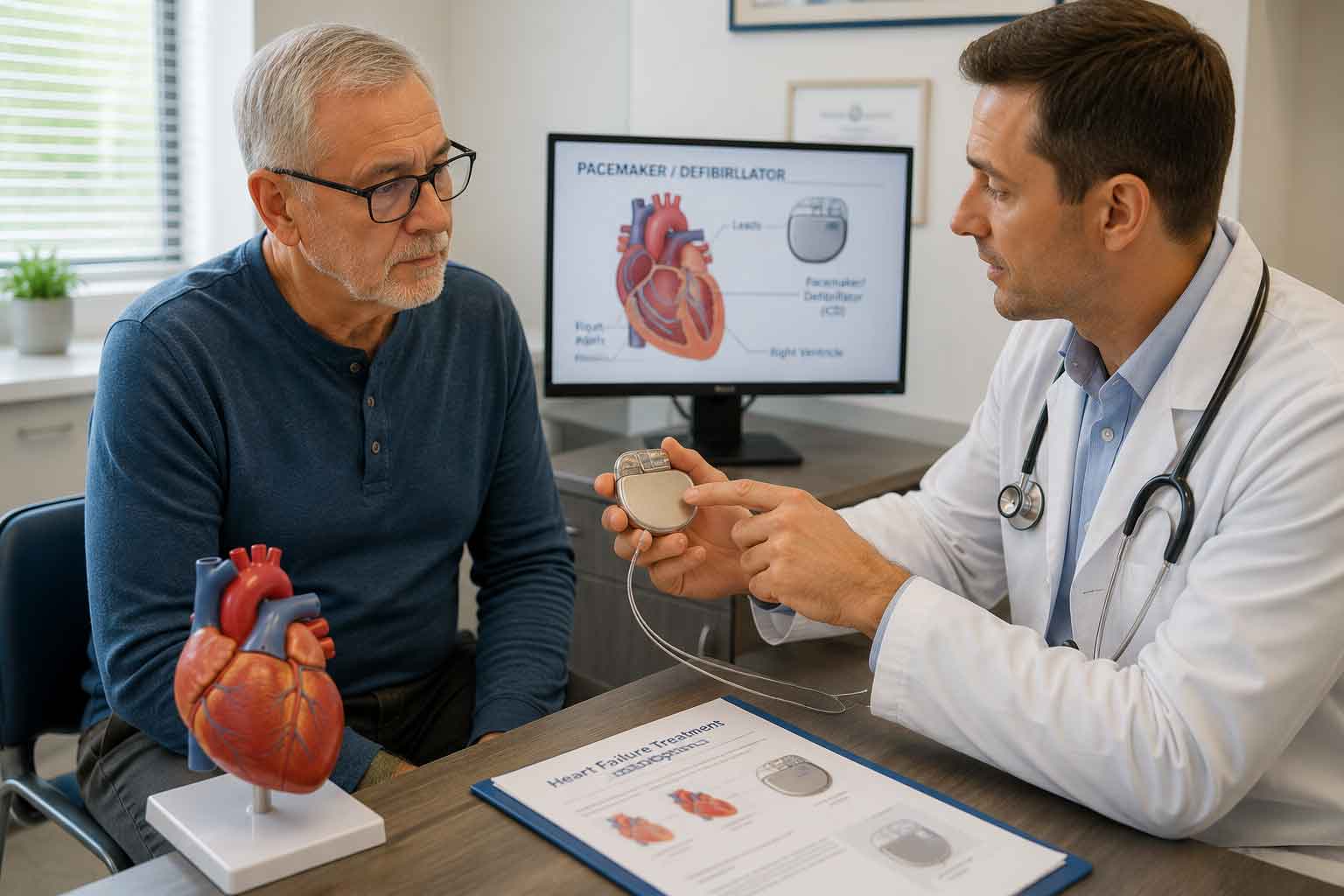
In severe cases of heart failure a special sort of pacemaker which helps the heart muscle pump more efficiently may need to be used. Some of these pacemakers also have a defibrillator which is used to help reduce the risk of a dangerous heart rhythm causing problems. 

 
Heart failure management programs

Programs run by a whole team of healthcare professionals to give you all the information you need to help you manage your condition. They are run in person and by telehealth and will help you learn how to manage your heart failure medicines, when to act if your symptoms get worse and how to monitor your fluid levels. Heart failure management programs may be recommended by your doctor as they have been shown to reduce the time you spend in hospital and help you live a longer life.


Your treating specialist will discuss all relevant options with you and develop a personalised management plan shared with your GP.

How can I prevent heart failure?

You can help prevent certain types of heart failure by controlling risk factors and living a healthy life. So, what does that mean?


  • Stop smoking
  • Keep your blood pressure under control
  • Exercise regularly and eat healthy food
  • Maintain a healthy weight
  • Reduce your stress levels 

Being diagnosed with heart failure can be frightening, but it’s important to remember that treatments can help manage the condition to improve your quality of life, keep you out of hospital and make sure you live your best possible life.


It’s incredibly important to contact your doctor if you have any signs or symptoms of heart failure. They will work together with a team of healthcare professionals (i.e., cardiologist, nurse, physical therapist, therapist) to help manage your heart.


This information is of a general nature. If you are concerned about your heart health, discuss this with your local doctor.

Cardiac Diagnostics

Heart Failure Diagnostic Tests

Your doctor may recommend a range of tests to understand how well your heart is working and help determine the most appropriate care for you.

Imaging

Echocardiogram

A heart ultrasound used to assess the structure and function of your heart. One of the most common cardiac tests, it can reveal defects or irregularities in the heart's valves and chambers.
Learn more
Electrical

ECG Test

A simple test that records your heart's electrical activity while you are resting. Quick, painless and typically complete in under 10 minutes.
Learn more
CT/ Advanced

CTCA Scan

A CT coronary angiogram uses contrast dye to help identify narrowing or blockages in the coronary arteries. Provides detailed 3D imaging without the need for invasive surgery.
Learn more